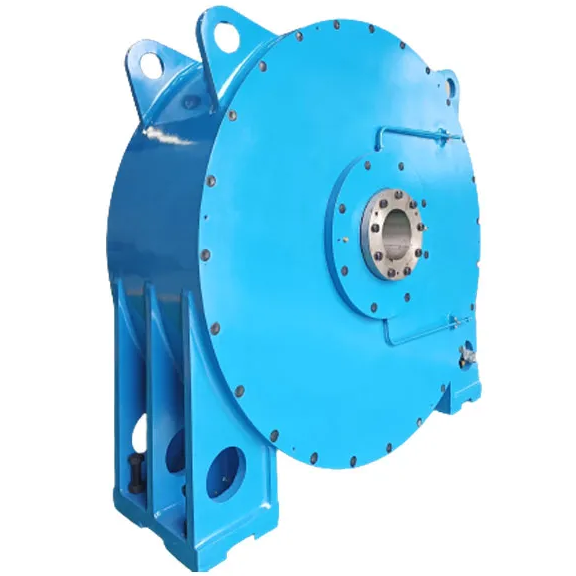
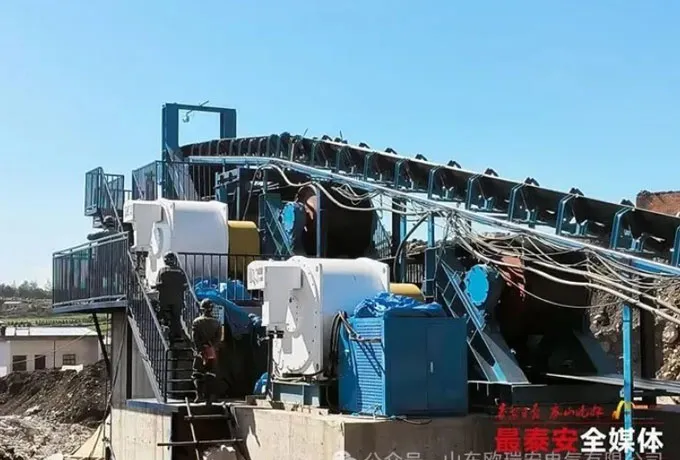
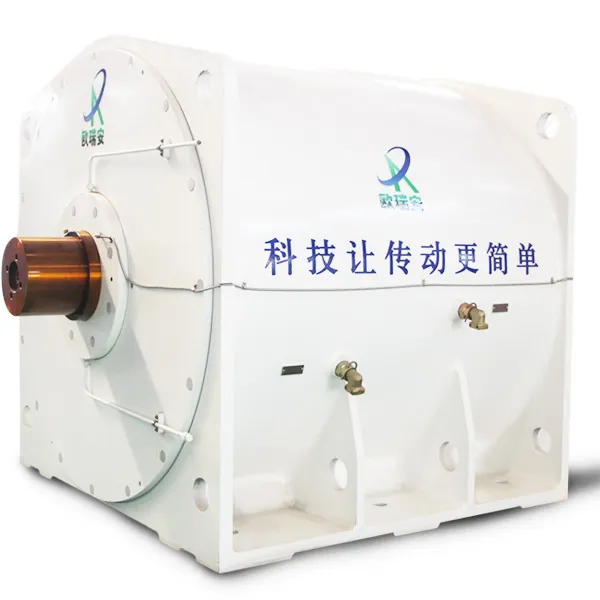
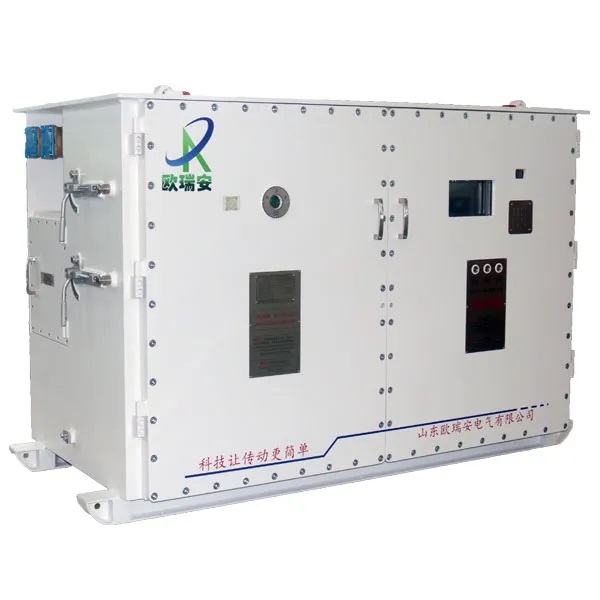
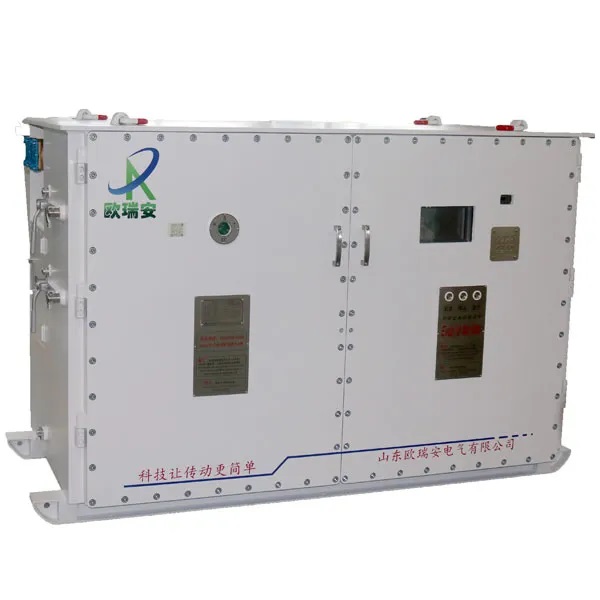
In a world increasingly focused on sustainability and optimized energy use, frequency converters have become indispensable components in modern electrical systems. These electronic devices convert one electrical frequency to another and are widely used in industrial automation, motor speed control, and variable load applications. A frequency converter not only allows controlled motor operation but also significantly enhances energy utilization by matching power output to real-time demand, reducing unnecessary consumption and improving overall system performance. The product range at Ouruian, especially the frequency converter models showcased on their site, features advanced control modes and robust protection functions that support optimized energy performance across diverse applications.
Frequency Converters and Industrial Energy Optimization
Frequency converters are essential for industrial energy optimization as they regulate motor speed in accordance with actual operational needs, drastically reducing energy waste. In systems such as conveyors, pumps, fans, and other motor-driven equipment, the ability of a frequency converter to implement variable frequency and voltage control eliminates the inefficiencies associated with running motors at constant full speed regardless of load conditions. This dynamic control aligns output with demand, reducing energy consumption and wear on mechanical components. Ouruian frequency converters support multiple control modes, including V/F control and vector control, which allows them to handle a broad range of load types while maintaining precise speed regulation and minimizing energy loss. Their support for centralized control and online monitoring enables streamlined operational oversight, allowing energy consumption to be adjusted responsively in complex industrial environments.
Comparing Traditional Motor Operation With Frequency Converter Control
Aspect | Frequency Converters | Traditional Fixed-Speed Motors |
Energy Usage | Matches motor speed to load demand | Runs at constant speed regardless of load |
System Control | Intelligent speed modulation and feedback | Minimal control capabilities |
Power Quality | Reduced harmonic distortion with advanced control | Potentially higher distortion levels |
Equipment Wear | Softer starts reduce mechanical stress | Abrupt starts increase wear |
This table highlights how integrating frequency converters like those from Ouruian into motor-driven systems delivers superior energy efficiency and system performance compared to traditional fixed-speed motor operations, emphasizing responsive control and reduced energy dissipation.
How Frequency Converters Reduce Power Loss and Improve Efficiency
The efficiency benefits of frequency converters stem largely from their ability to adjust motor operation in real time rather than enforcing fixed output levels. This variability prevents motors from drawing more current than necessary during both startup and steady-state operation, which often leads to significant power loss in conventional systems. Modern frequency converter technology enables soft starts and speed modulation, which can prevent the excessive inrush current that occurs when motors are started at full voltage and frequency, thereby reducing electrical stress and thermal losses. By minimizing harmonic distortion and maintaining stable voltage levels, a frequency converter also contributes to improved power quality, which enhances the efficiency of the entire electrical distribution system. These technical improvements support both energy conservation and enhanced equipment lifespan, particularly in systems with fluctuating load conditions, such as HVAC, industrial machinery, and material handling.
What Makes Ouruian Frequency Converters Suitable for Energy-Efficient Systems?
Frequency converters from Ouruian are designed to meet the dynamic demands of modern industrial applications while prioritizing energy efficiency and system reliability. With features such as wide communication protocol support—covering RS485, Ethernet, and DP interfaces—Ouruian frequency converters integrate easily into smart control systems for centralized monitoring and adjustment in real time. Their comprehensive protective functions, including overload, overcurrent, and temperature protections, ensure sustained, stable operation even under variable loads. The human-machine interface facilitates intuitive adjustments and efficient data presentation, supporting operators in managing performance optimally. These characteristics make frequency converters effective in energy-sensitive environments where precise motor control and adaptive system performance are essential. By incorporating advanced control logic and communication capabilities, Ouruian frequency converters support energy-efficient operations across manufacturing, processing, and automation scenarios.
Frequency Converters in the Broader Context of Sustainable Energy Use
Frequency converters play a pivotal role in global efforts to improve energy efficiency and sustainability across sectors. They are not solely motor control devices but act as energy management tools that adapt electrical systems to real-world operating demands. By facilitating optimal power use, they reduce carbon emissions and support energy-saving strategies, which aligns with broader environmental and regulatory goals. In applications ranging from water treatment and HVAC systems to industrial automation and renewable energy grid integration, frequency converters help balance performance and energy consumption, thereby contributing to long-term sustainability initiatives. As variable frequency drive technology continues to mature, its implementation becomes a strategic choice for organizations aiming to achieve both operational efficiency and energy responsibility.
 English