


Shandong Ouruian Electric Co., Ltd.

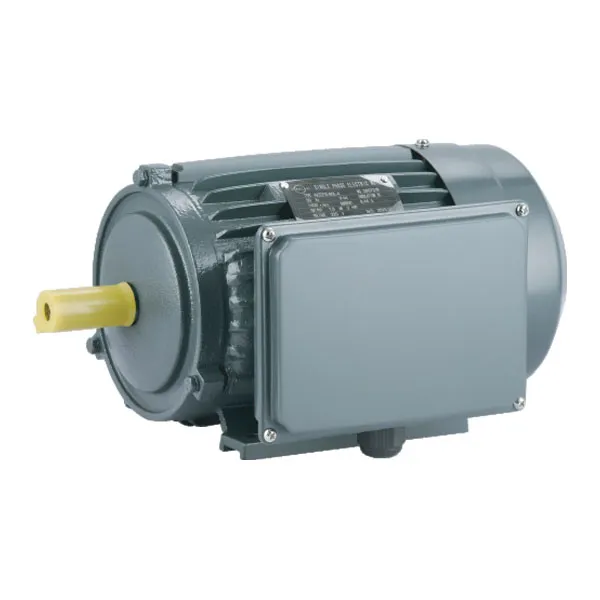
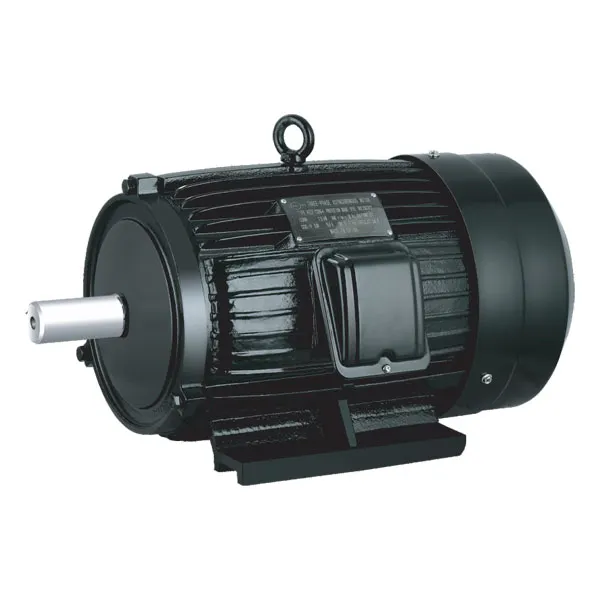
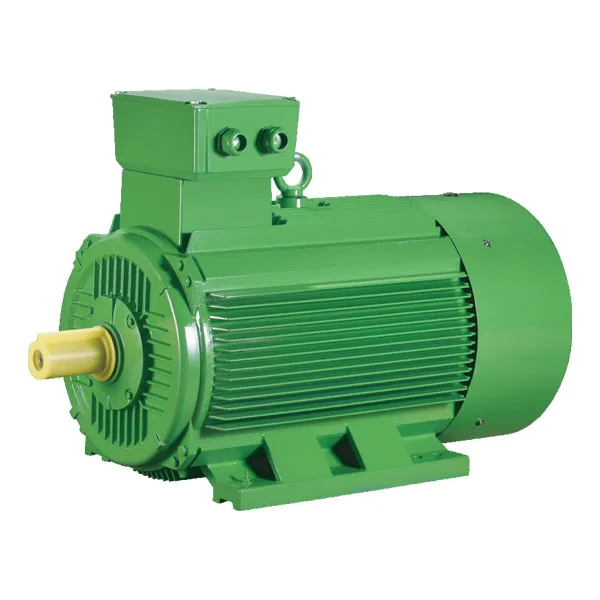
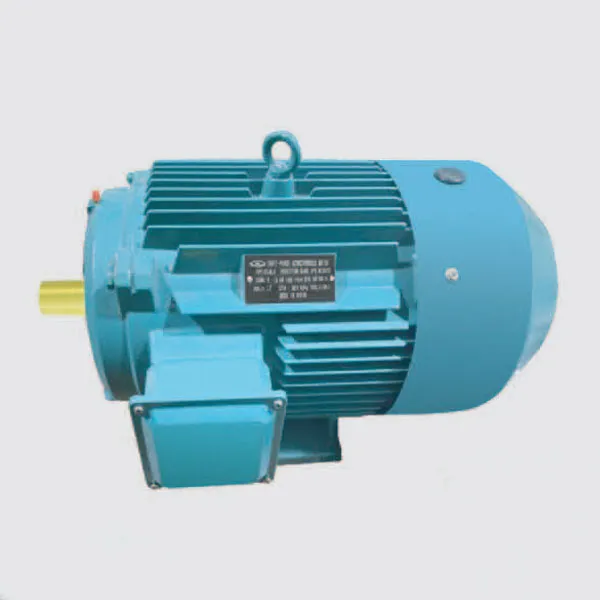
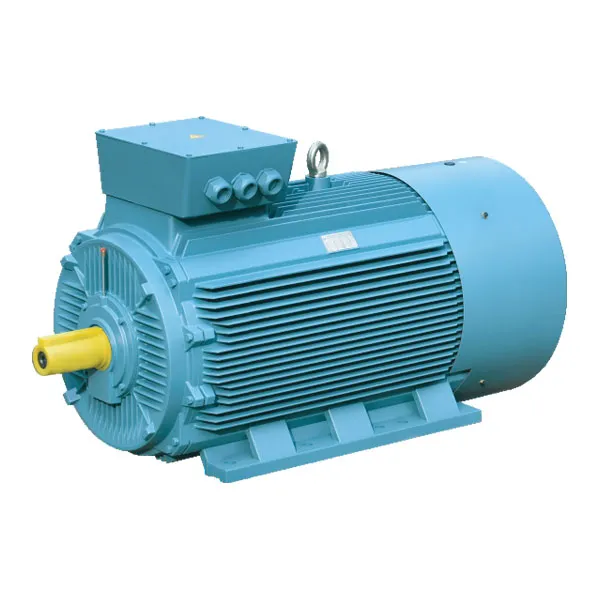
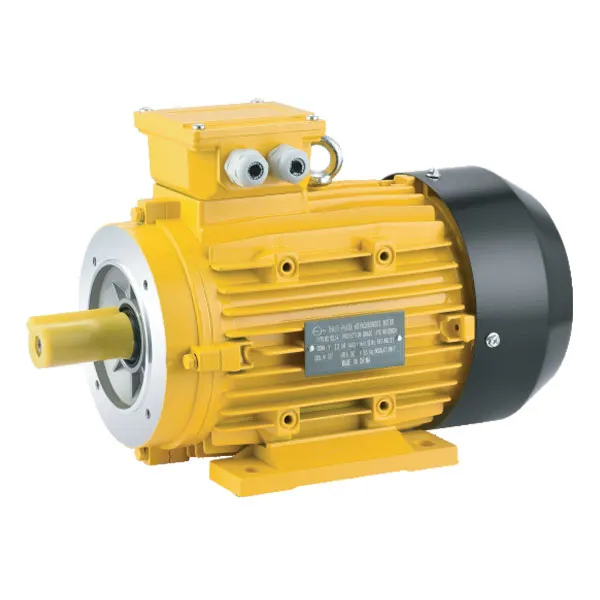
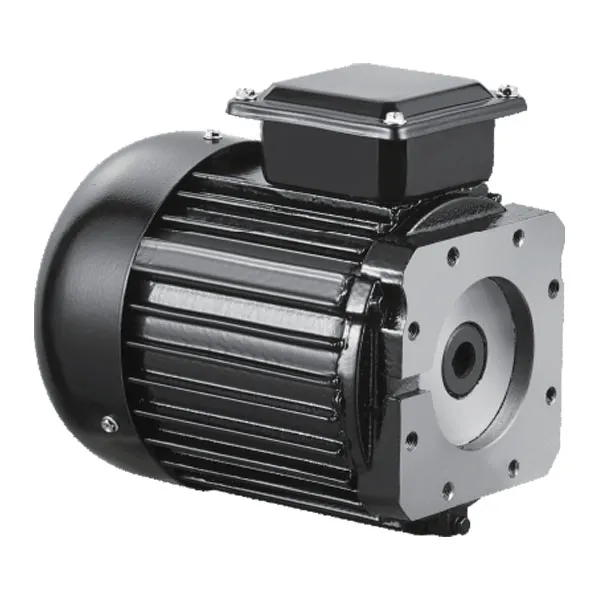
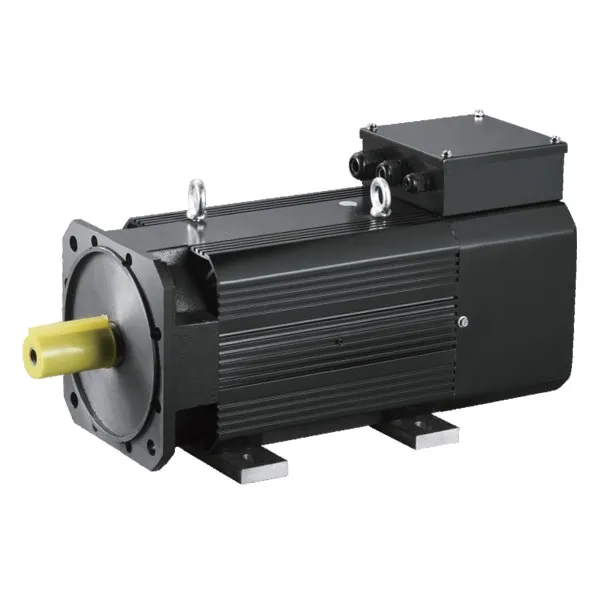
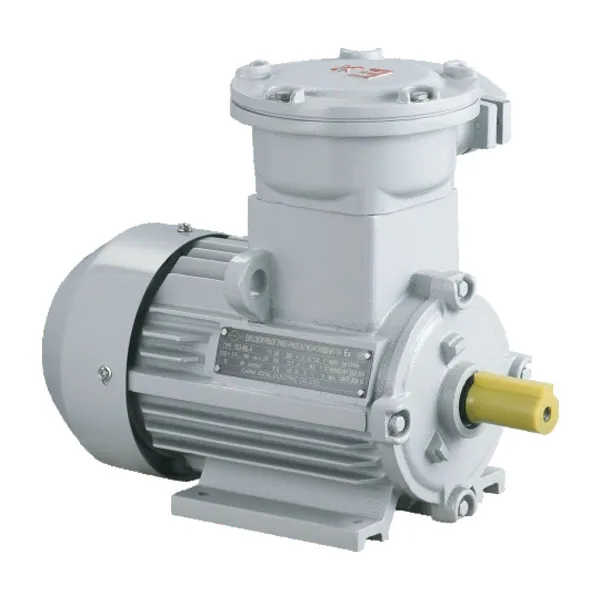
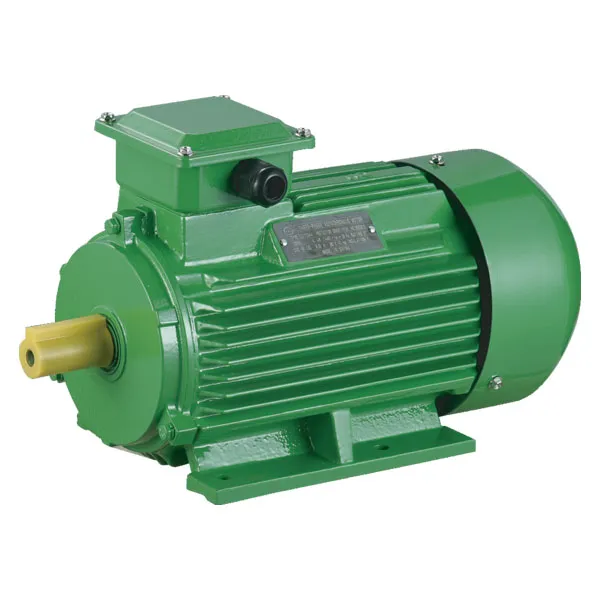
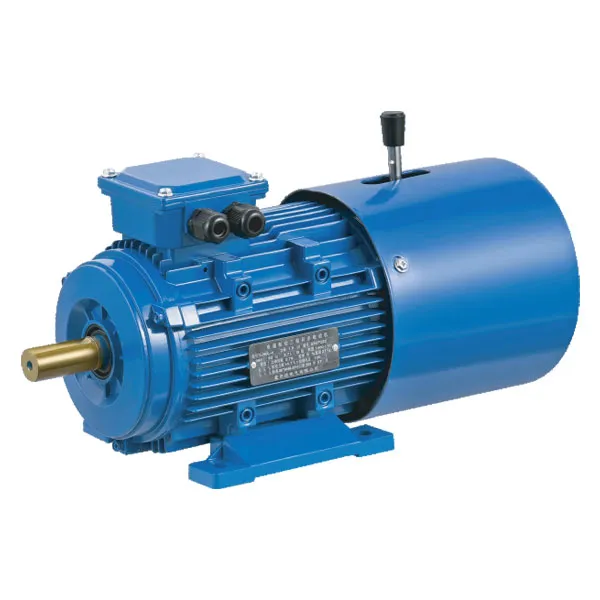
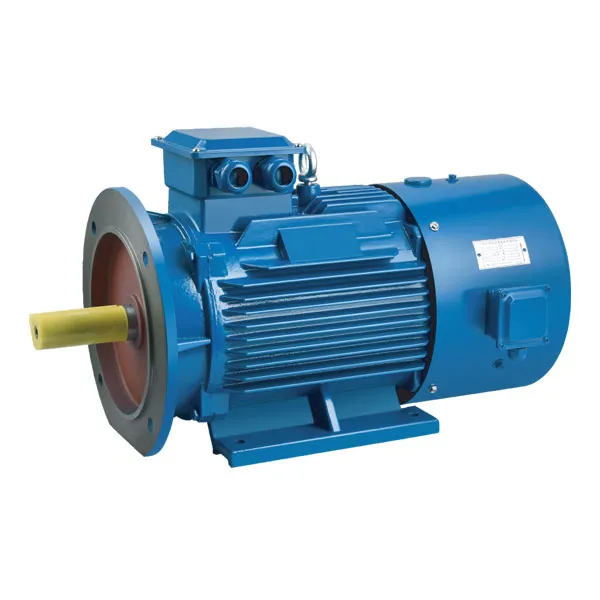
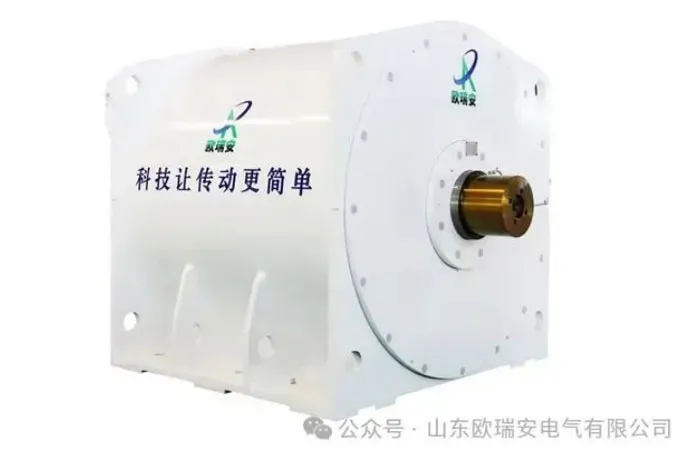
Ouruian specializes in high-performance high-speed motors, featuring TYV Permanent Magnet Synchronous Motors (PMSM) for superior efficiency and Three-Phase Electrical Motors for heavy-duty applications. As one of the reliable high speed motor manufacturers, Ouruian delivers energy-saving, precision-engineered high speed PMSM solutions to ensure maximum output for industrial automation, HVAC, robotics, and machinery. By utilizing low-loss core materials, each high speed PMSM is designed to achieve exceptional power density while minimizing thermal buildup during continuous high-frequency operation. As experienced high speed motor manufacturers, we provide high speed motor options for OEM/ODM—reliable, durable, and optimized for speed-critical operations!

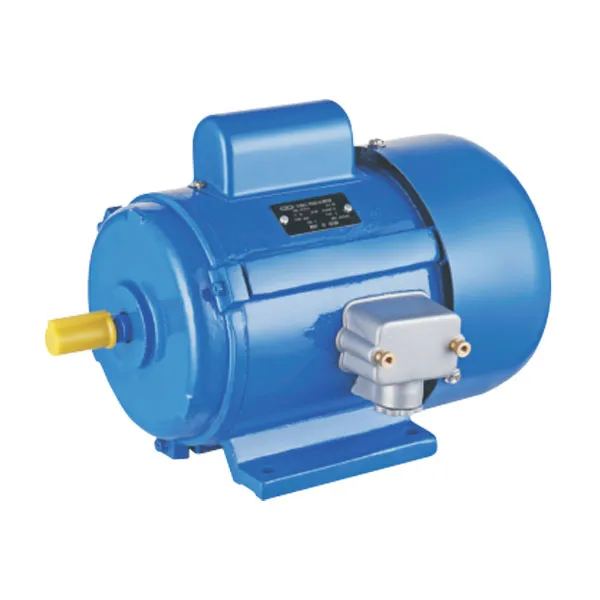
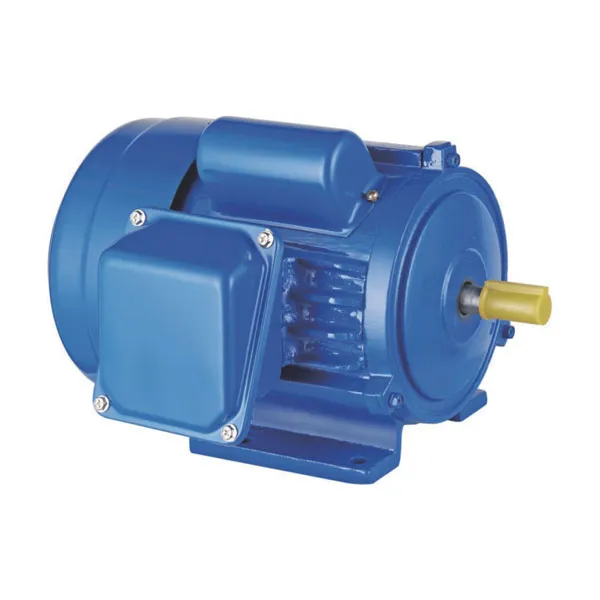
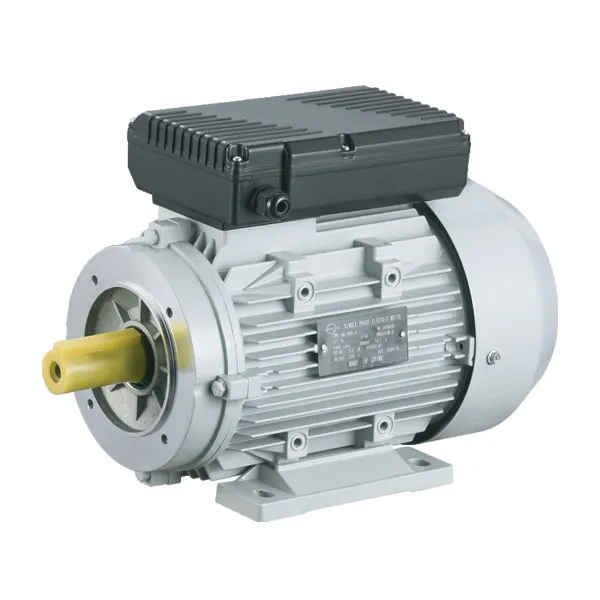
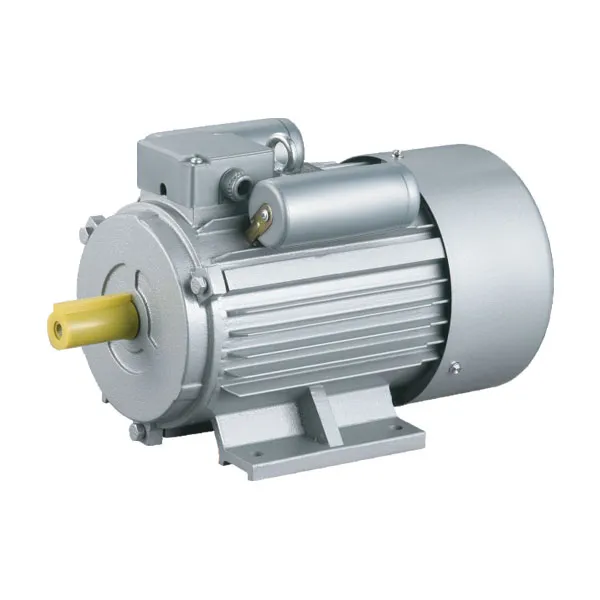
Diverse Types of High-speed Motor

Define the High-Speed Motor's Operating Range Before Selection

Selecting a high-speed PMSM motor begins with the complete operating profile rather than a single maximum-RPM value. The specification should state the rated speed, maximum continuous speed, short-time overspeed requirement, continuous and peak torque, duty cycle, load inertia, ambient temperature, and annual running hours. These inputs determine the electromagnetic design, frame size, bearing system, cooling method, and required mechanical safety margin.

When comparing a high speed electric motor for a compressor, centrifugal pump, fan, spindle, or test rig, review the complete torque-speed curve. The engineering team should confirm the base-speed point, required constant-power range, acceleration time, permissible temperature rise, and allowable vibration. This helps prevent oversizing the motor for a brief peak load or selecting a compact frame that cannot sustain the actual thermal duty.

For systems that must operate above base speed, the motor and inverter should be evaluated together. Our technical guide to IPM field weakening for wide-speed drives explains how inverter voltage margin, back-EMF, rotor design, and cooling affect the usable constant-power range.

Protect Rotor Integrity and Control Heat

At elevated rotational speed, rotor balance, magnet retention, bearing capability, lubrication, and critical-speed separation become as important as electromagnetic efficiency. A high speed permanent magnet motor should therefore be reviewed against its maximum mechanical speed, overspeed test condition, balancing grade, vibration limit, and bearing service life—not only its rated output.

The cooling method must reflect both the operating duty and the distribution of motor losses. Forced-air cooling may suit moderate continuous loads, while water cooling can provide additional thermal margin when the frame has limited heat-dissipation area or the application spends long periods near its continuous limit. The final configuration should be verified through temperature-rise and vibration testing at the specified operating points.

For projects comparing embedded and surface-mounted magnets, see IPM vs. SPM for high-speed applications. The guide explains how rotor construction affects magnet retention, field-weakening capability, thermal risk, mechanical complexity, and system cost.

Match the Torque-Speed Curve to the Driven Equipment

Different machines can place very different demands on the same rated power. Centrifugal fans and pumps typically require torque that changes with speed, while spindles and process equipment may need rapid acceleration, frequent speed changes, or a wider constant-power region. For an application that requires a high speed high torque electric motor, continuous torque, peak torque duration, load inertia, shaft load, coupling method, and emergency-stop conditions must be evaluated together.

An industrial high-speed motor should therefore be specified around the driven machine rather than selected from power and RPM alone. Share the equipment type, target throughput, operating speed range, starting frequency, overload profile, mounting position, shaft interface, and acceptable noise and vibration limits. These inputs allow the rotor, winding, bearings, enclosure, cooling method, and control strategy to be assessed as one drive system.

The same rated output can lead to very different motor configurations when the load profile changes. A compressor operating continuously near maximum speed, a pump following a variable process demand, and a spindle performing repeated acceleration cycles should not be evaluated with the same duty assumptions.

Coordinate the Inverter, Feedback, and Protection System

Motor and inverter selection should be completed together. Supply voltage, DC-bus margin, current limit, switching frequency, control method, and cable conditions determine whether the required speed range can be reached without voltage saturation or excessive temperature rise.

In applications requiring a high torque variable speed electric motor, an encoder or resolver may be necessary when the system needs stable low-speed torque, precise acceleration, repeatable positioning, or reliable operation in the field-weakening region. The feedback device should be selected according to the required speed accuracy, installation environment, maximum rotational speed, and controller interface.

Before production, confirm the motor constants, back-EMF, base speed, maximum speed, feedback interface, braking method, cable length, EMC requirements, and protection settings. Acceptance testing should cover temperature rise, vibration, speed stability, overspeed protection, and protective response at the agreed operating points.

Get In Touch

Contact Ouruian for Permanent Magnet Synchronous Motor

Leave a Message

Your Name *

Your Email *

Your Phone

Country

Your Message *

We use cookies to offer you a better browsing experience, analyze site traffic and personalize content. Part of the tracking is necessary to ensure SEO effectiveness,
By using this site, you agree to our use of cookies. Visit our cookie policy to learn more.

Reject Accept