 English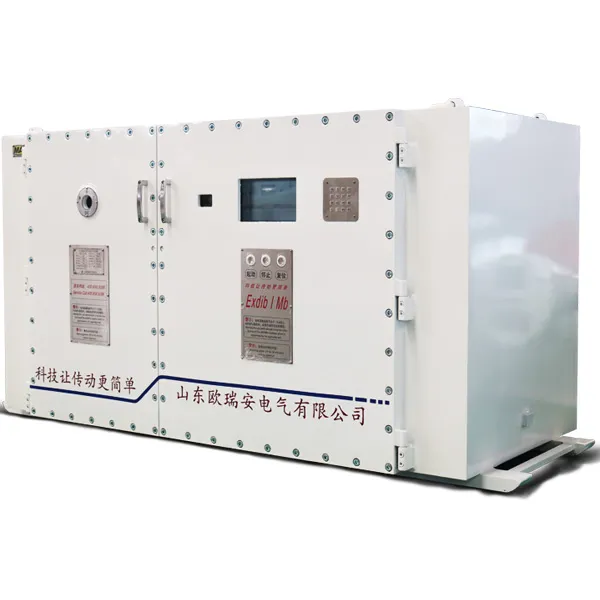


We use cookies to offer you a better browsing experience, analyze site traffic and personalize content. Part of the tracking is necessary to ensure SEO effectiveness,
By using this site, you agree to our use of cookies.
Visit our cookie policy to learn more.

-
Products
Integrated Design – Combines belt conveyor drive drum with permanent magnet synchronous motor (outer rotor type) for electromechanical integration.
High Efficiency – Optimized for energy savings in continuous operation.
Wide Applications – Ideal for bulk material handling in:
Mining & Building Materials
Power Generation & Steel Industry
Ports, Terminals & Non-Ferrous Metals
Motor Compatibility: Controls PMSM & asynchronous motors
Applications: Belt conveyors, mills, elevators, powder concentrators, mixers, fans, pumps, cutting machines, etc.
Voltage Options: 380V, 660V, 1140V, 3.3kV, 6kV, 10kV
Power Range: 30–4000kW
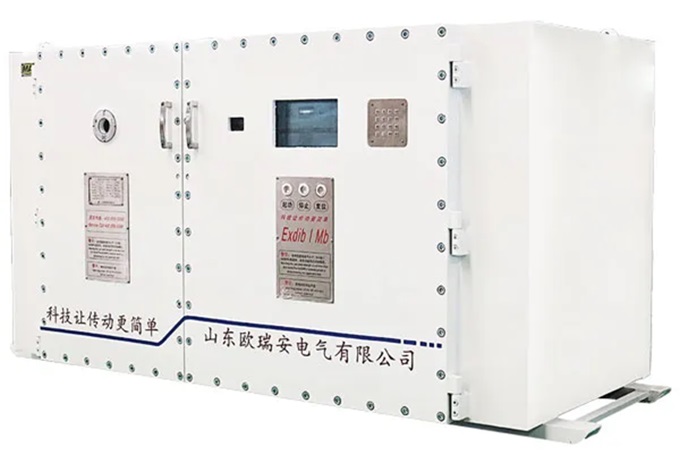
Integrates control box and operation console functions
Designed for underground coal mines with explosive gas environments
Provides a compact, control-operation integrated solution
Integrates permanent magnet synchronous motor and frequency converter
Fuses control system with motor, replacing traditional distributed drive arrangement
Widely used in drive sites across various industries
Optimize thermal regulation for high-performance motors
Reduce heat-related failures by up to 70%
Use aerospace-grade aluminum with turbulent-flow fin design
Compact, lightweight, and high-dissipation
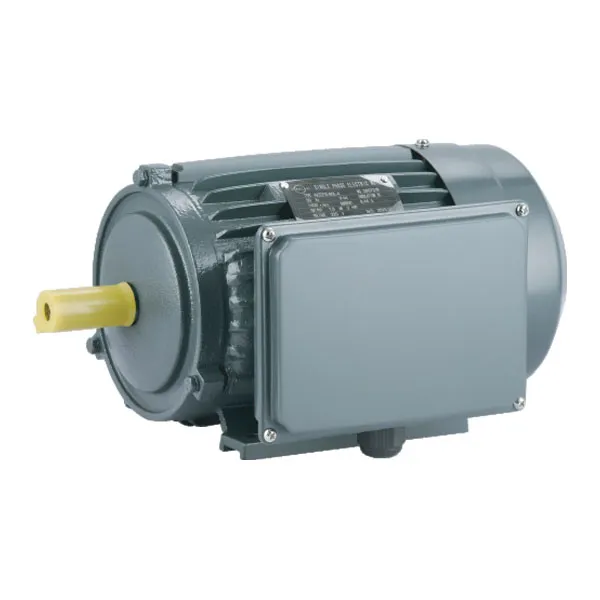
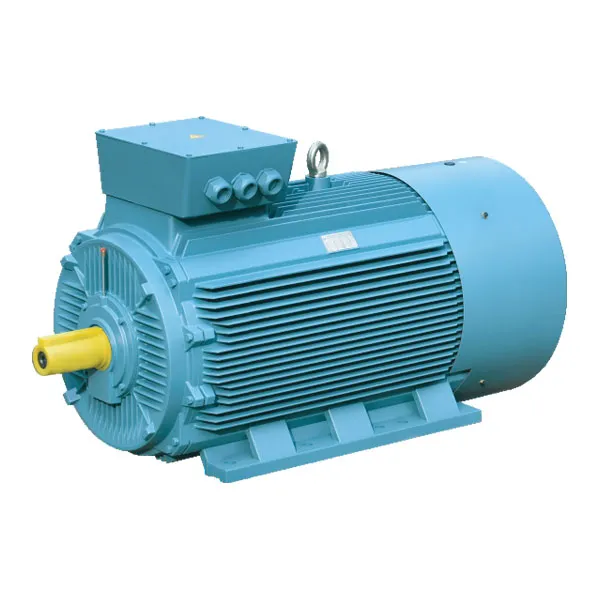
TYV Efficient Permanent Magnet Synchronous Vector Motor Three-Phase Electrical Motors JY Single-Phase Capacitor Induction Motor MCBV Single-Phase Capacitor Induction Motor MY Single-Phase Asynchronous Motor YC/MC Single-Phase Asynchronous Motor YL/ML Capacitor Starting Asynchronous Motor AEEF Three-Phase Asynchronous Motor AИP GOST Three-Phase Induction Motor IE1/IE2 Three-Phase Asynchronous Motor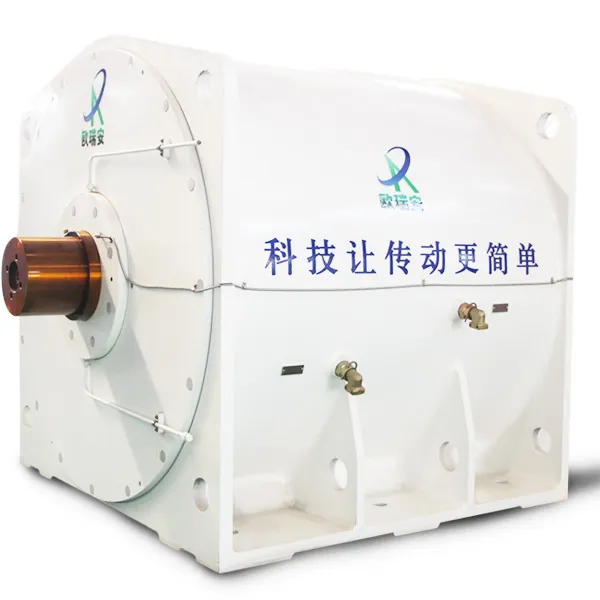
- Cases
- About Us
- News
- Resources
- Contact Us