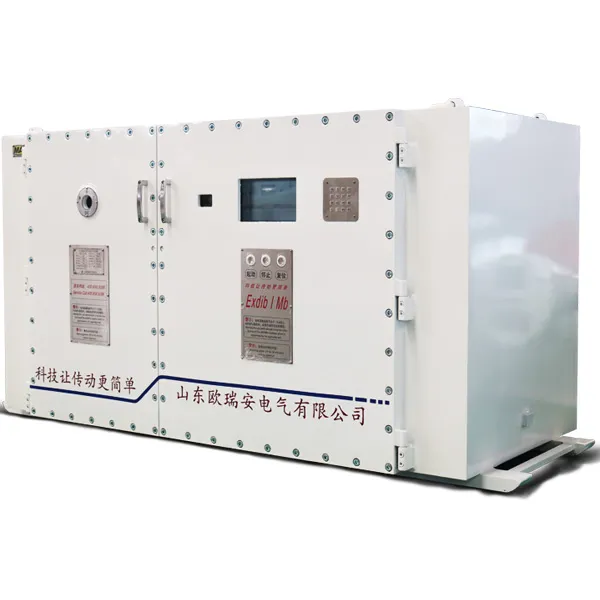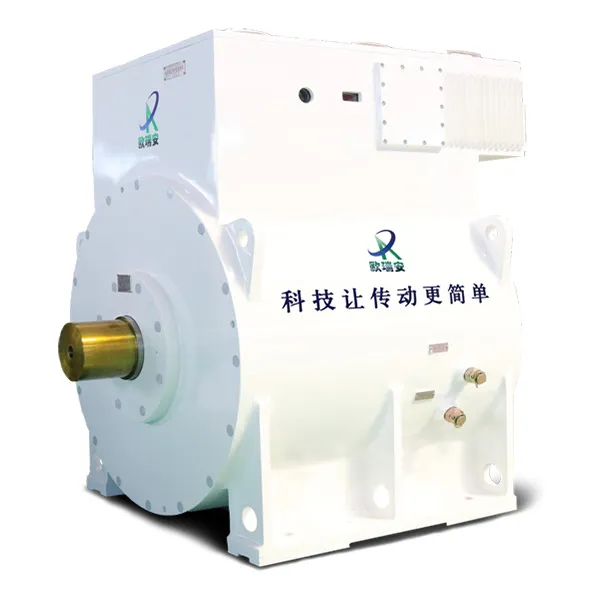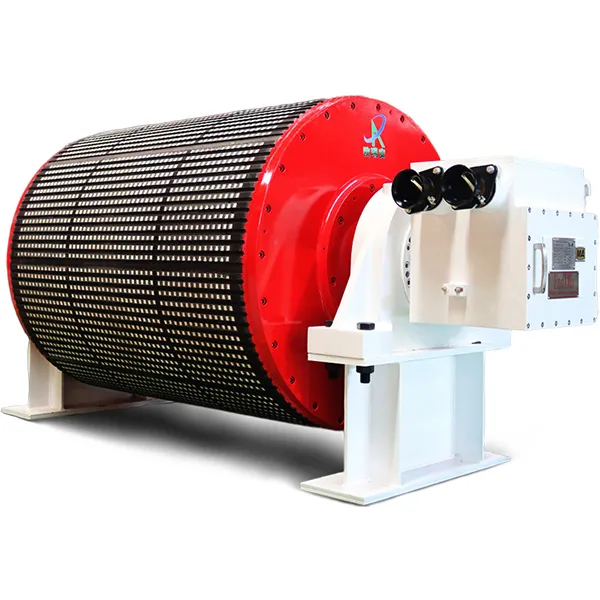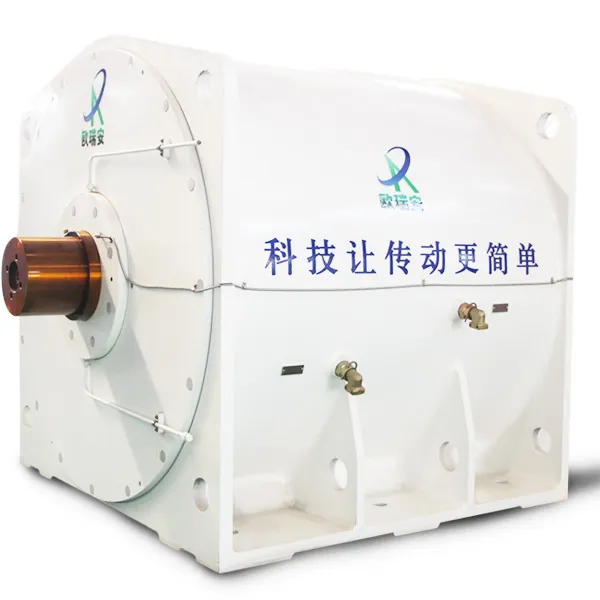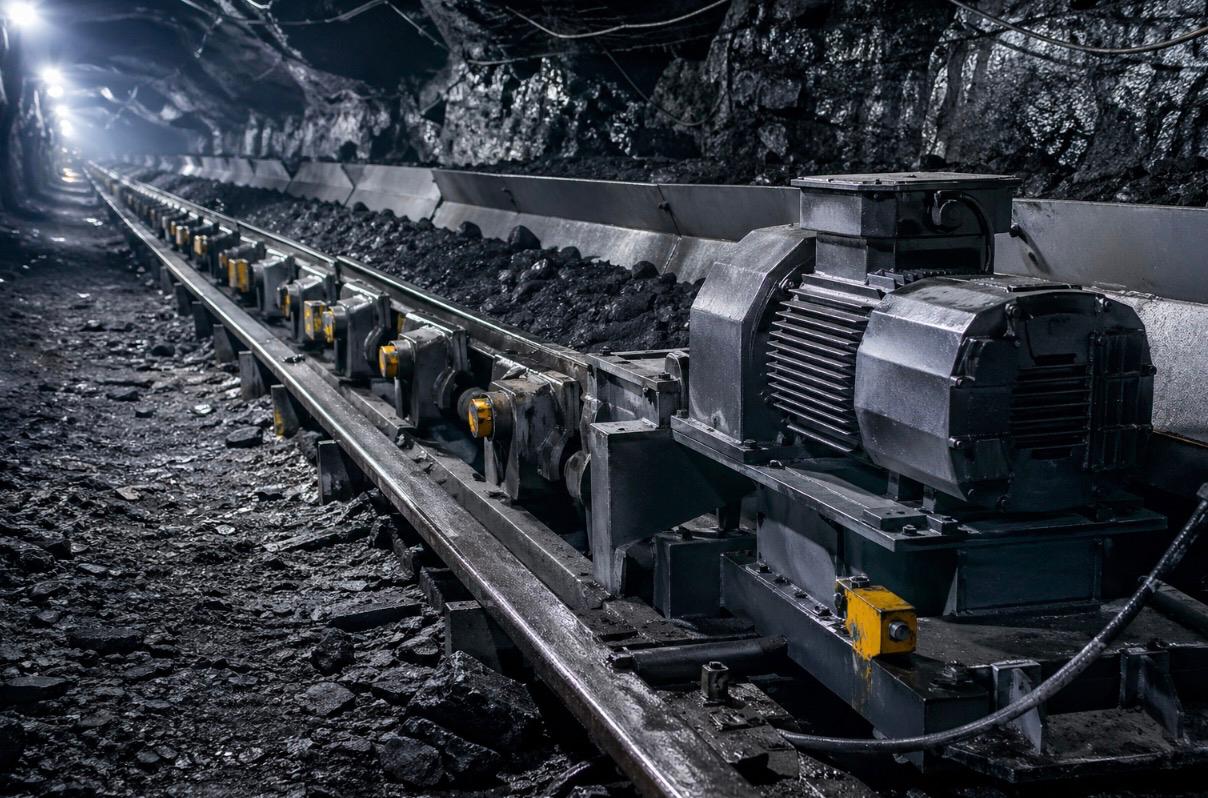
In heavy-duty conveying systems, the motor has a direct impact on energy consumption, starting stability, maintenance workload, and overall system reliability. For scraper conveyors used in coal mining and other demanding bulk material handling environments, traditional drive arrangements often create unnecessary transmission losses and long-term maintenance pressure. A scraper conveyor permanent magnet motor offers a more application-oriented solution by combining direct-drive capability, low-speed high-torque performance, and intelligent variable frequency control in one system. The Ouruian product page presents this motor as a PMSM solution specifically designed for heavy-duty scraper conveyor duty.
Why Traditional Scraper Conveyor Drives Create Efficiency and Maintenance Problems
Conventional scraper conveyor systems often rely on a more complex drive chain with intermediate transmission components. In real industrial operations, that usually means more mechanical loss points, more components to inspect, and more downtime risk over the lifecycle of the equipment. For buyers evaluating conveyor upgrades, the issue is not only electricity cost, but also how much effort the drive system requires to keep running under continuous or start-stop working conditions. The product page positions this PMSM design as a response to the inefficiency and high energy consumption problems associated with traditional motor systems.
Another challenge is starting performance. Scraper conveyors typically work under heavy load and often need strong starting torque and stable low-speed output. If the motor and transmission system are not well matched, plants may face stronger current impact, torque fluctuation, and more mechanical stress on connected equipment. Ouruian highlights variable-frequency starting and reduced starting current as part of the product’s reliability advantages, which is especially relevant in demanding conveyor duty.
What Makes a Scraper Conveyor Permanent Magnet Motor Different
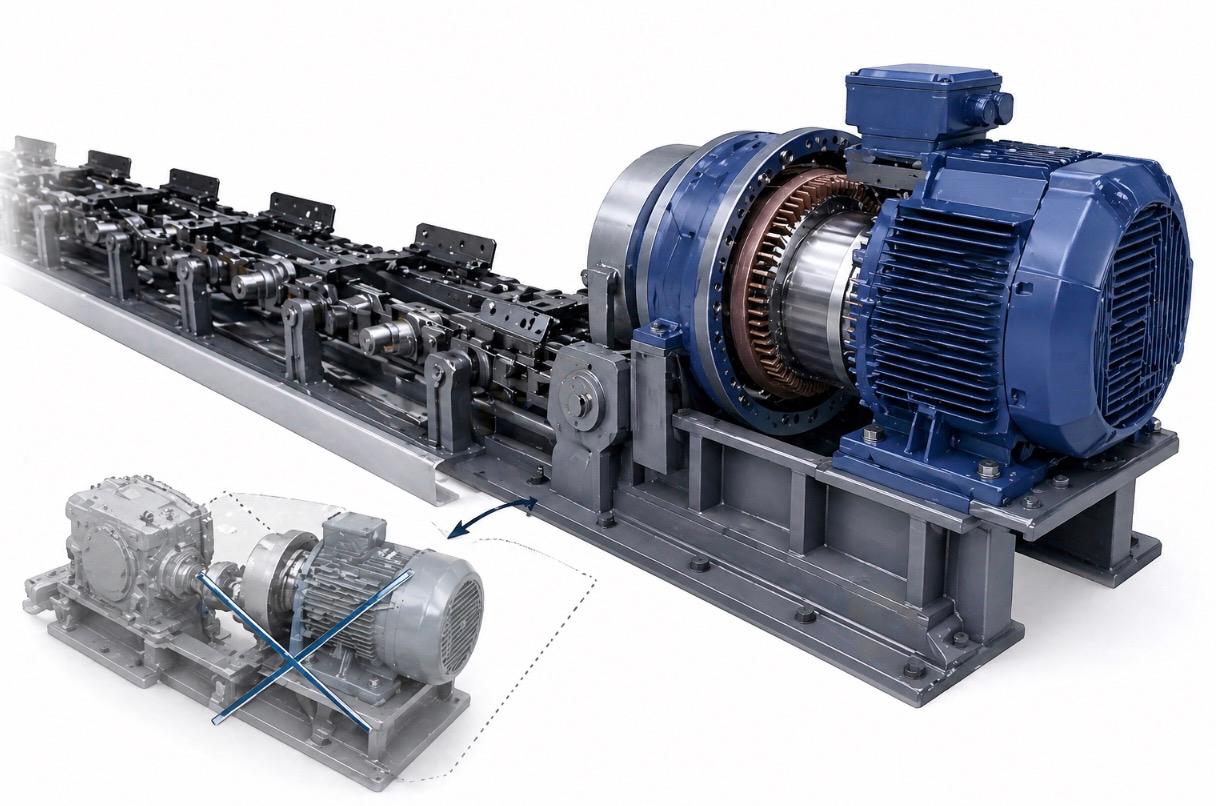
Direct drive architecture
One of the most important advantages of this scraper conveyor permanent magnet motor is the direct-drive concept. The product page states that the system eliminates the gearbox and other intermediate transmission devices, which simplifies the drive path and helps improve overall system efficiency. For industrial users, this is valuable not only because of energy savings, but also because fewer transmission components typically mean fewer failure points and less routine maintenance.
Low-speed high-torque output
Scraper conveyors do not simply need motor power; they need torque that matches the application. The page emphasizes low-speed, high-torque characteristics and notes that the product can deliver starting torque up to 2.2 times rated torque and overload torque up to 2 times rated torque. That makes the solution more suitable for heavy-load starting, unstable material conditions, and conveyor systems where starting capability is critical.
Variable frequency control for dynamic load matching
Load conditions in heavy-duty conveying are rarely perfectly uniform. The product description highlights intelligent variable frequency control and dynamic power matching, which helps align motor output with actual operating demand. In B2B buying terms, this supports a stronger value proposition around energy efficiency, smoother operation, and better control performance under variable-duty conditions.
Key Benefits for Coal Mining and Heavy Material Handling
Better energy performance
Energy efficiency is one of the strongest commercial reasons to evaluate a permanent magnet motor upgrade. On the product page, Ouruian states that this interior permanent magnet motor reaches the IE5 energy consumption level and improves system efficiency by removing reducers, mechanical soft starters, and other intermediate drive components. For plants running scraper conveyors over long operating hours, this matters because even moderate efficiency improvements can affect lifecycle operating cost.
Higher starting torque and overload capacity
Heavy-duty conveyors need more than nominal power data. They need confidence during starting, shock loading, and overload events. The published product features underline both high starting torque and strong overload capability, which are two of the most important selection factors for scraper conveyor duty. This makes the motor particularly relevant for coal mines, mineral handling projects, and other industries where conveying loads can be tough and variable.
Lower maintenance requirements
Maintenance is a major hidden cost in conveyor systems. According to the product page, this motor design reduces dependence on intermediate transmission devices and requires only one bearing lubrication every 3000 operating hours, while also reducing maintenance workload by more than 80%. For procurement and maintenance teams, that speaks directly to lower service intervention, fewer wear-related issues, and reduced downtime exposure.
Reduced impact on the power grid and equipment
The page also notes that variable-frequency starting lowers starting current and helps reduce both grid impact and torque fluctuation on connected equipment. In practical terms, that supports smoother starts and less mechanical shock, which can be particularly beneficial in high-load conveyor systems where drivetrain stress affects long-term reliability.
What Buyers Should Check Before Selecting a Motor
When evaluating a scraper conveyor permanent magnet motor, buyers should usually start with the conveyor’s real operating profile: starting frequency, load variation, speed requirement, and whether the system is intended for continuous operation or heavy intermittent duty. After that, the next key step is to verify electrical conditions and installation constraints. The published model table on the product page shows a broad torque and frame-size selection range, with voltage classes including 380V, 660V, 1140V, 3.3kV, 6kV, and 10kV, which suggests the solution is intended for a wide range of industrial applications.
It is also worth checking whether the project goal is mainly energy saving, maintenance reduction, direct-drive replacement, or improved start-up performance. In many B2B projects, the right motor is not just the one with the correct power rating, but the one that best matches the conveyor’s duty cycle, control logic, and long-term operating targets.
Why This Type of Solution Fits Modern Conveyor Upgrades
For retrofit projects, a direct-drive PMSM solution can be attractive because it helps simplify the system architecture and align the drive more closely with actual conveyor duty. For new equipment supply, it gives OEMs and project contractors a stronger technical story around efficiency, compactness, and lower maintenance. The wider Ouruian site structure also supports this positioning: the company groups scraper conveyor motors within a broader permanent magnet motor category, maintains a coal and mining application section, and provides brochure download and contact pages for deeper sales conversion.
Final Thoughts
A scraper conveyor permanent magnet motor is not just another motor option. It is a more targeted drive solution for operations that need high starting torque, lower transmission loss, reduced maintenance, and better control under heavy-duty conditions. Based on the current product page, this solution is especially relevant for scraper conveyor applications in coal mining and other bulk material handling environments where direct drive, low-speed torque, and lifecycle efficiency matter. For B2B buyers, that makes it a strong topic for both SEO traffic acquisition and inquiry-oriented product communication.
 English